

When you think about fixing your smile, Invisalign pops up as a smart and discreet way to handle a variety of common dental problems. These dental problems that Invisalign can help with range from crooked teeth and bite problems, such as overbite and underbite, all the way to crowded teeth and gap issues. In this article, we will break down these issues, talk about the problems that can’t be fixed with Invisalign, and in the end, help you decide if Invisalign is the choice for you or not.
What Dental Problems Can Invisalign Fix?
As it was mentioned before, there are quite a few dental problems Invisalign can fix. From basic shifts to more complex bite corrections, these custom clear aligners get to work on a range of issues that might be bugging your smile or even causing jaw discomfort. Apart from their problem-solving, they are also more comfortable than traditional braces and can be removed during meals and brushing. Now let’s dive into the most common issues Invisalign can deal with one by one:
Crooked or Misaligned Teeth
Crooked or misaligned teeth are one of the most common reasons people turn to Invisalign. According to Healthline, “In some instances, crooked teeth can affect your quality of life. For example, misaligned teeth may affect your ability to chew, causing you pain every time you eat.” Invisalign is super effective for this issue, since it usually only takes around 12 to 18 months, leaving you with a smile that feels natural and looks amazing. It’s not just about looks either; fixing dental misalignment can prevent bigger issues down the road, like uneven jaw pressure or speech problems.
Read more: How to Treat Irregular, Crooked, or Misaligned Teeth

Overbite
An overbite happens when your upper teeth overlap your lower ones more than they should, which can lead to jaw pain or even speech issues if left unchecked. Invisalign handles overbite correction by using custom-made trays that are designed to gradually pull everything into alignment.
For mild to moderate cases, this procedure works wonders, shifting your bite over months (from 6 to 18 months) to make it more balanced. Once corrected, you’ll likely feel relief from any strain on your jaw muscles, and your teeth will wear more evenly. Many people also notice improvements in their overall looks since their faces look more harmonious.

Underbite
When your lower teeth stick out past the upper ones, we call it an underbite. This can mess with your eating and even cause TMJ disorders if it’s bad enough. Invisalign steps up for underbite treatment in milder cases, using clear aligners to shift things back where they belong.
As treatment progresses, you’ll see your profile improve and feel better when biting down. It is important to note that Invisalign isn’t for severe underbites, but for milder cases, it is a great option.

Crossbite
A crossbite is when some of the upper teeth sit inside the lower ones instead of outside, which can lead to uneven wear and gum problems over time. To tackle this, Invisalign widens dental arches or shifts teeth to correct the mismatch. Custom clear aligners make this process smooth, applying pressure where needed to realign your bite, improving your overall health. Once your crossbite is fixed, you’ll notice less strain on your teeth and jaws, plus easier cleaning to prevent decay.
Worth Reading: Invisalign vs. Traditional Braces: Which is Right for You?

Open Bite
Open bites occur when your front teeth don’t meet when you close your mouth, often from habits like thumb-sucking or tongue thrusting. Invisalign can close this gap with targeted movements from the aligners, making it a reliable treatment for open bites. With the help of Invisalign clear aligners, you can avoid speech issues and have a much easier time eating. After treatment, your smile will look fuller, and you’ll reduce risks like chipping front teeth.
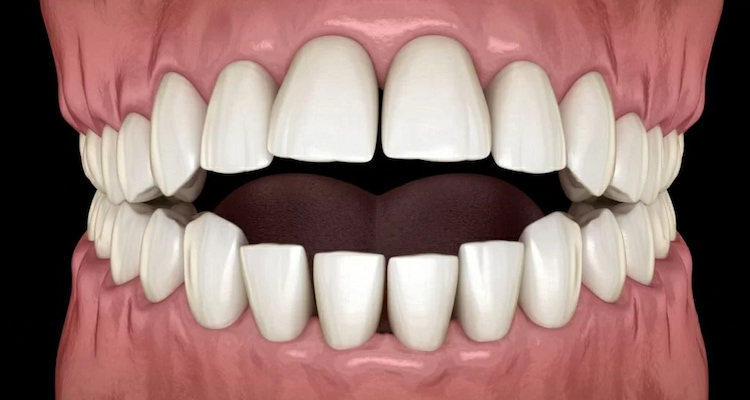
Gaps Between Teeth (Diastema)
Gaps between teeth, or diastema, can make you feel self-conscious, and on top of that, they can trap food in them, leading to gum issues. Invisalign is a great treatment for gaps between teeth, as it is both discreet and quite comfortable. This crooked teeth treatment often finishes in under a year for smaller cases. One of the other Invisalign benefits is that it ensures a natural look as gaps shrink, improving both aesthetics and function.

Crowded Teeth
When there’s not enough space in your jaw, your teeth get crowded, making them overlap each other. One way to sort this out is by using Invisalign, as it creates room in your mouth and aligns your teeth properly, making it an amazing crooked teeth treatment option. Invisalign clear aligners gradually expand and shift your teeth, easing dental misalignment without extractions in many cases. Once straightened, your mouth feels less cramped, making cleaning much easier while you enjoy your improved smile.

Dental Issues Invisalign May Not Fix
While there are many dental problems Invisalign can fix, it doesn’t mean it can treat everything. There are a few dental issues that Invisalign may not be able to fix, and we have listed them for you:
- Severe Skeletal Bite Problems: Jawbone-related issues like major overbites or underbites usually need braces or surgery.
- Improperly Shaped Teeth: Short, round, or pegged teeth make it hard for aligners to grip and move them.
- Severe Tooth Position Problems: Teeth rotated more than 20° or tilted over 45° are beyond Invisalign’s effective range.
- Very Large Gaps: Invisalign can only close spaces up to about 6 mm per arch; bigger gaps need other treatments. (Link?)
- Vertical Tooth Movement: Raising (extrusion) or lowering (intrusion) teeth is very limited, especially for back teeth. (Link?)
- Major Teeth Misalignment: Invisalign can only correct up to 2 mm off-center per arch; larger shifts require braces.
- Previous Dental Work: Dental veneers, bridges, or dental crowns may block attachments or prevent aligners from fitting.
- Cases Requiring Extractions: Invisalign isn’t suitable if teeth need to be pulled for space before or during treatment.
Keep in mind that in order to really make sure if Invisalign can help you with your problem or not, you should discuss it with your dentist; there are many times that other approaches will be able to help you much better.
How Invisalign Works to Correct Dental Problems
Invisalign starts with a 3D scan, creating an image of your teeth. Based on the problem you might have, whether it is overbite, crowded teeth or something else, you’ll be given a treatment plan. Then your custom Invisalign clear aligners, which almost look like invisible braces, are produced, and you’ll have to wear them 20 to 22 hours a day, only removing them for eating and brushing.
These aligners use gentle pressure to move your teeth and jaw into the desired position, and depending on the issue, this will take about 6 months to 2 years to finish. One point to remember is that aligners are super comfortable, and they are much more discreet than metal braces.
Have More Questions About The Process?
Need more information about how Invisalign works? Head over to Elmwood Park Dental to explore more details and schedule a consultation. Our friendly team will be there to answer all your questions!
Is Invisalign the Right Choice for You?
Now that we know how Invisalign fixes dental problems and what problems it can or cannot fix, it’s time to determine if it is the right choice for us or not. Here’s a rundown of all the things you need to consider before committing to Invisalign treatment:

If you check most of the criteria above, then it’s settled; Invisalign is the right fit for you. And of course, professional confirmation is the most important one, since without it, you can’t start the treatment.
Struggling with Dental Problems Invisalign Can Fix? This Is Your First Step!
To wrap it all up, there are many common dental problems Invisalign can help with, like crooked teeth treatment or overbite correction. With its custom clear aligners, it shifts your teeth and jaw, giving you a straighter, healthier smile without the hassle of metal braces. Even though Invisalign fixes many problems, there are also many issues it can’t handle, such as severe bite problems or very large gaps, so in order to know if it’s the right treatment for you, always check things with your dentist.
If you’re looking for top-notch Invisalign treatment or other cosmetic options, such as teeth whitening or dental veneers, contact us at Elmwood Park Dental. We have a team ready to chat about Invisalign and other dental services in Toronto.
Book your appointment today!
FAQ
How effective is Invisalign in treating crooked teeth?
Invisalign is quite effective for mild to moderate crooked teeth, straightening them out gradually. Many people see great results in about a year, making it a solid choice over traditional braces.
Can Invisalign fix gaps between teeth?
Yes, Invisalign can close smaller to medium gaps between teeth by gently pushing them together over time with custom clear aligners. As long as the gaps are not too large, this is a very good solution.
Is Invisalign better than traditional braces for fixing bite issues?
Whether you go for Invisalign or traditional braces depends on the severity of the problem. For mild to moderate bite issues, Invisalign is the better choice, since it’s more comfortable and removable, but for severe cases, traditional braces offer more control and better results.
How long does the Invisalign treatment take to fix my dental problem?
Treatment usually takes 6 to 18 months, depending on how complex your dental issue is. Sticking to wearing the aligners 22 hours a day speeds things up.
What are the main advantages of using Invisalign for dental issues?
The main Invisalign benefits are that it’s nearly invisible and you can take the aligners out to eat or brush, making daily life easier. Plus, it’s often more comfortable than metal braces and shows results without restricting your diet.
Have you tried Invisalign, or are you curious about it? Drop a comment below to share your own experience with Invisalign or ask any questions you may have. We’d love to hear from you and help out!

